LIVE
30Y FIXED6.85% 0.02·15Y FIXED6.12% 0.01·REFI 30Y6.78% 0.01·HELOC9.20%0.00·JUMBO 30Y7.05% 0.03·HYSA TOP4.85% 0.05·12M CD5.10%0.00·24M CD4.85% 0.02·5Y CD4.40% 0.01·MMA TOP4.65%0.00·AUTO 60M NEW7.10% 0.02·AUTO 60M USED8.45% 0.04·PERSONAL EXC.8.20%0.00·10Y TREASURY4.32% 0.01·30Y FIXED6.85% 0.02·15Y FIXED6.12% 0.01·REFI 30Y6.78% 0.01·HELOC9.20%0.00·JUMBO 30Y7.05% 0.03·HYSA TOP4.85% 0.05·12M CD5.10%0.00·24M CD4.85% 0.02·5Y CD4.40% 0.01·MMA TOP4.65%0.00·AUTO 60M NEW7.10% 0.02·AUTO 60M USED8.45% 0.04·PERSONAL EXC.8.20%0.00·10Y TREASURY4.32% 0.01·
Fintiex
Card picks reviewed weekly

Cards picked on math, not marketing.

One card per category. We model actual spending patterns against real rewards rates and annual fees. The winner is the card that puts the most money back in your pocket, not the one with the largest advertising budget.

Category leaders today

Reviewed weekly
Top Cash Back rate
2%
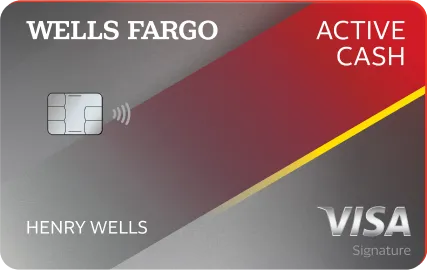
Wells Fargo Active Cash · No annual fee
Top Travel bonus
100K pts
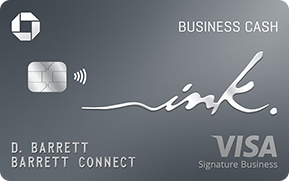
Ink Business Preferred · $95 fee
Best 0% APR length
21 mo
Wells Fargo Reflect · No annual fee
Best BT length
21 mo
Citi Diamond Preferred · No annual fee
Credit Cards · Reviewed

Top picks across all categories

No sponsored placements. One winner per category, ranked by value to a typical user in that segment.
Card
Category
Top perk
Wells Fargo Active Cash
Best Cash Back
0% intro APR 12mo · No annual fee · $200 bonus after $500 spend
Cash Back
2% cash back on everything
Chase Sapphire Preferred
Best Travel
5x travel · 3x dining · $95 annual fee · Point transfer to airlines
Travel
60,000-point signup bonus
Wells Fargo Reflect
Best 0% APR
No annual fee · 0% on purchases and balance transfers · Then variable
0% APR
21 months 0% intro APR
Citi Diamond Preferred
Best Balance Transfer
No annual fee · 5% BT fee · 3% foreign transaction
Balance Transfer
21 months 0% on balance transfers
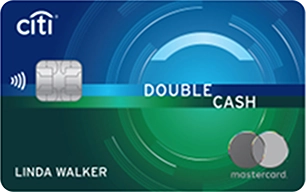
Citi Double Cash
Best No-Fee
No annual fee · No rotating categories · Simple flat rate
No Annual Fee
2% back: 1% when you buy, 1% when you pay
Ink Business Preferred
Best Business
3x on travel, shipping, ads · $95 annual fee · Chase Ultimate Rewards
Business
100,000-point signup bonus
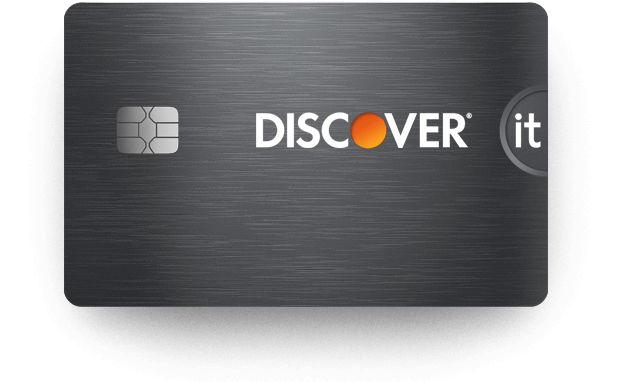
Discover it Cash Back
Best Rotating
No annual fee · First-year cashback match · 1% on everything else
Cash Back
5% cash back in rotating categories
Amex Gold Card
Best Dining
$250 annual fee · $120 dining credit · $120 Uber Cash credit
Travel
4x on restaurants and U.S. supermarkets
How it works

APR vs rewards rate. When 0% wins. Balance transfer math.

The three decisions most people get wrong.

APR vs rewards rate: the core trade-off

Rewards cards carry higher standard APRs than no-frills cards, typically 19 to 27% vs 14 to 20%. If you carry a balance even occasionally, the interest you pay will quickly exceed any rewards you earn. Rewards cards only make financial sense if you pay the full statement balance every single month. If you carry balances, a low-APR card with no rewards will cost you less over time.

When a 0% APR card is the right tool

A 0% intro APR card is the right choice for a known large purchase you can pay off within the promotional window. Divide the total cost by the number of months in the intro period to find your required monthly payment. If that number fits your budget, the card is essentially a free loan. Watch for deferred interest traps on store cards: with deferred interest, you owe all back-interest if the balance is not fully paid by the deadline.

Balance transfer math: is it worth it?

A balance transfer moves existing high-rate debt to a new card with a 0% intro period. The typical fee is 3 to 5% of the transferred balance. Calculate your break-even: if your current card charges 22% APR on a $5,000 balance, you are paying roughly $1,100 in interest per year. A 5% transfer fee on $5,000 is $250, which you recoup in under 3 months. The key risk is accumulating new spending on the old card while paying down the transfer, which defeats the purpose.

Explore

Cards by category.

FAQ

Common questions.

How is credit card APR calculated on a monthly bill?

Your daily periodic rate is your APR divided by 365. The issuer multiplies that rate by your average daily balance for the billing period to get your interest charge. If you pay your full statement balance by the due date each month, you pay zero interest regardless of your APR.

Will applying for a new card hurt my credit score?

A new card application triggers a hard inquiry, typically dropping your score 2 to 5 points for a few months. The card also lowers your average account age, which is another scoring factor. That said, a new card increases your total available credit, which improves your utilization ratio. The net effect is usually neutral or slightly positive within 6 to 12 months.

How many credit cards is too many?

There is no universal limit. What matters is your ability to manage payments and keep utilization low across all cards. Most credit-savvy consumers hold 3 to 5 cards covering different categories: one flat-rate, one travel or dining, one 0% APR option. Adding more cards is fine as long as you do not carry balances.

Is an annual fee ever worth paying?

Yes, if the rewards and credits exceed the fee. The Chase Sapphire Preferred costs $95 but generates far more in travel value if you use the dining and travel multipliers. The Amex Gold costs $250 but offers $240 in statement credits, making the effective fee $10 if you use them. Model your actual spending before deciding.

Statement balance vs minimum vs full balance: what should I pay?

Pay the full statement balance every month to avoid interest. The minimum payment keeps you in good standing but accrues interest on the remainder at your full APR. Never pay less than the minimum or you risk late fees and a credit score penalty. The statement balance (not the current balance) is the number to pay to avoid interest.

Does adding someone as an authorized user help their credit?

Yes, if the primary account holder has a long, clean history on that card. The account typically appears on the authorized user's credit report, boosting their average account age and available credit. The primary holder remains fully responsible for all charges. This is a common strategy for parents helping young adults build credit.

See how fast you can pay off your card debt.

Credit card payoff calculator. No signup, no nonsense.