Credit card comparisonCompare travel credit cards by annual cost, redemption options, and benefits you will actually use. A large points offer is not the same as a guaranteed cash value.
Compare listed cards ↓What to compare before applying
Cash-like rewards or transfer partners?
Check how points can be redeemed, whether travel must be booked through a particular portal, and the rules for transfers. Compare the cash price of the same trip with the points, taxes, and fees required. Do not assume that every point has one fixed value.
Value benefits at your own usage
Subtract the annual fee from rewards and credits you realistically expect to use. A credit restricted to a merchant, booking channel, or month may be worth less to you than its face value. Check enrollment, guest-access, and booking conditions before counting a benefit.
Check costs when traveling abroad
Read the foreign-transaction fee and payment-network acceptance information. Review the guide to benefits for insurance eligibility and exclusions. If you carry a balance, borrowing costs can outweigh the value of travel rewards.
Compare the cards in our directory
This is a selection of products, not the entire market. Offers can vary by applicant and change over time. Verify current bonuses, rates, fees, and eligibility in the issuer’s application disclosures before applying. List order is not a guarantee of suitability or approval.
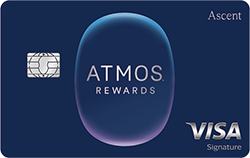
Atmos Rewards Ascent Visa Signature
Bank of America · Visa
Top reward
3x eligible Alaska and Hawaiian purchases
Signup bonus
50,000 points and a $99 Companion Fare (plus taxes and fees from $23) after $1,500 in purchases within 90 days.
Bonus: 50,000 points and a $99 Companion Fare (plus taxes and fees from $23) after $1,500 in purchases within 90 days.
Selected facts checked 2026-09-24 · Official source
- +This is the current name of the Alaska Airlines card listed at this address.
- +3 points per dollar on eligible Alaska and Hawaiian purchases; 2 on eligible gas, EV charging, cable, streaming and local transit; 1 on other purchases.
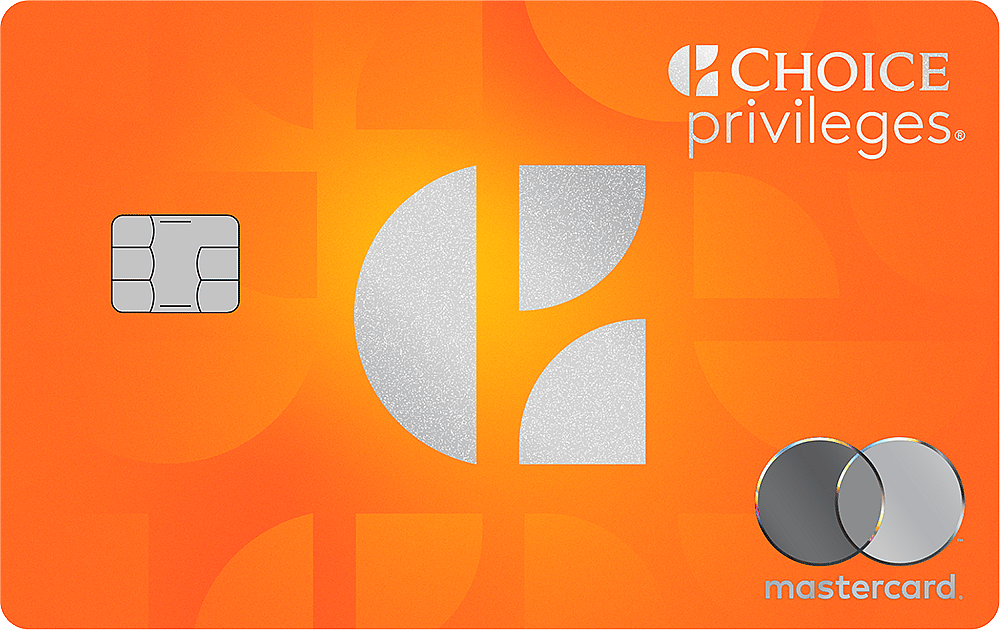
Choice Privileges Mastercard
Wells Fargo · Mastercard
Top reward
5x eligible Choice stays and points purchases; 3x eligible gas/EV charging, groceries, telecom and home-improvement purchases; 1x elsewhere
Signup bonus
60,000 points after $1,000 in qualifying net purchases that post within 3 months of account opening.
Bonus: 60,000 points after $1,000 in qualifying net purchases that post within 3 months of account opening.
Selected facts checked 2026-09-24 · Official source
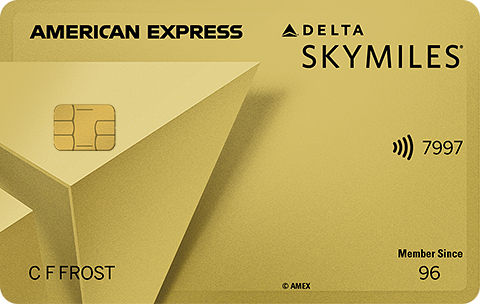
Delta SkyMiles Gold American Express Card
American Express · Amex
Annual fee
$0 introductory annual fee for the first year, then $150.
Signup bonus
Personalized offer as high as 80,000 miles plus a $250 statement credit after $3,000 in purchases within 6 months. Offer ends November 4, 2026; maximum miles are not guaranteed.
Bonus: Personalized offer as high as 80,000 miles plus a $250 statement credit after $3,000 in purchases within 6 months. Offer ends November 4, 2026; maximum miles are not guaranteed.
Selected facts checked 2026-09-24 · Official source
- +2 miles per dollar at restaurants, U.S. supermarkets and on direct Delta purchases; 1 mile on other eligible purchases.
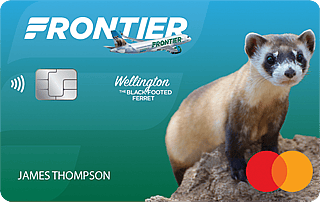
Frontier Airlines World Mastercard
Barclays · Mastercard
Top reward
5x FlyFrontier.com; 3x restaurants; 1x elsewhere
Signup bonus
50,000 miles after $500 in purchases and paying the annual fee in full within 90 days; another 10,000 miles after a new authorized user makes a purchase within 90 days.
Bonus: 50,000 miles after $500 in purchases and paying the annual fee in full within 90 days; another 10,000 miles after a new authorized user makes a purchase within 90 days.
Selected facts checked 2026-09-24 · Official source
- +5 miles per dollar on FlyFrontier.com purchases; 3 on restaurant purchases; 1 on other purchases.
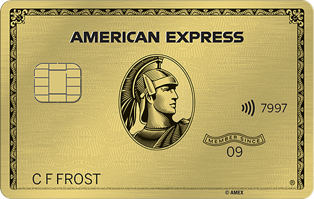
Gold Card
American Express · Amex
Top reward
5x on prepaid hotels via Amex Travel; 4x dining and U.S. supermarkets with annual caps
Signup bonus
Personalized offer as high as 100,000 Membership Rewards points after $8,000 in purchases within 6 months. Your offer may be lower, or you may not qualify.
Bonus: Personalized offer as high as 100,000 Membership Rewards points after $8,000 in purchases within 6 months. Your offer may be lower, or you may not qualify.
Selected facts checked 2026-09-24 · Official source
- +4 points per dollar at restaurants, up to $50,000 each calendar year, then 1 point.
- +4 points per dollar at U.S. supermarkets, up to $25,000 each calendar year, then 1 point.
- +5 points per dollar on prepaid hotels through Amex Travel; 3 on flights booked directly or through Amex Travel.
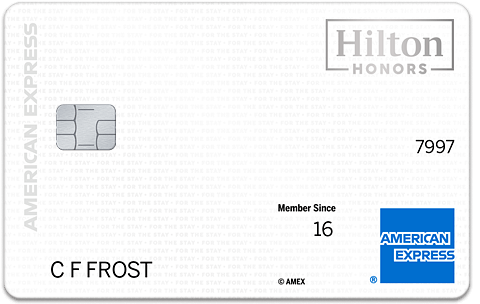
Hilton Honors American Express Card
American Express · Amex
Top reward
7x eligible direct Hilton purchases
Signup bonus
70,000 Hilton Honors points plus a Free Night Reward after $2,000 in purchases within 6 months. Offer ends January 13, 2027; eligibility restrictions apply.
Bonus: 70,000 Hilton Honors points plus a Free Night Reward after $2,000 in purchases within 6 months. Offer ends January 13, 2027; eligibility restrictions apply.
Selected facts checked 2026-09-24 · Official source
- +7 points per dollar on eligible direct Hilton purchases.
- +5 points per dollar at U.S. restaurants and U.S. supermarkets.
IHG One Rewards Premier Credit Card
Chase · Mastercard
Top reward
10x card points at IHG; 5x travel, dining and gas; 3x elsewhere
Signup bonus
140,000 points after $3,000 in purchases in the first 3 months. Bonus eligibility restrictions apply.
Bonus: 140,000 points after $3,000 in purchases in the first 3 months. Bonus eligibility restrictions apply.
Selected facts checked 2026-09-24 · Official source
- +10 card points per dollar at IHG hotels; membership and status can earn additional points.
- +5 points per dollar on travel, dining and gas; 3 on other purchases.
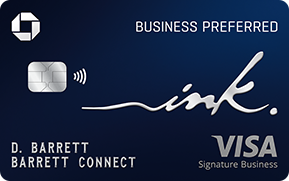
Ink Business Preferred Credit Card
Chase · Visa
Top reward
3x eligible business categories on first $150,000 combined/year; 1x thereafter
Signup bonus
100,000 points after $8,000 in purchases in the first 3 months
Bonus: 100,000 points after $8,000 in purchases in the first 3 months
Selected facts checked 2026-09-24 · Official source
- +3 points per dollar on the first $150,000 in combined eligible travel, shipping, internet/cable/phone and search-engine/social-media advertising purchases each account anniversary year; 1 point on other purchases.
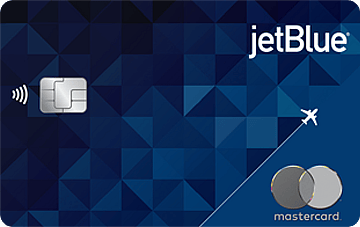
JetBlue Plus Card
Barclays · Mastercard
Top reward
6x eligible JetBlue, JetBlue Vacations and TrueBlue Travel purchases
Signup bonus
70,000 TrueBlue points after $1,000 in purchases and payment of the annual fee in full within 90 days.
Bonus: 70,000 TrueBlue points after $1,000 in purchases and payment of the annual fee in full within 90 days.
Selected facts checked 2026-09-24 · Official source
- +Earn 6 points per dollar on eligible JetBlue, JetBlue Vacations and TrueBlue Travel purchases; 2 at eligible restaurants and grocery stores; 1 on other purchases.
- +5,000 anniversary bonus points.
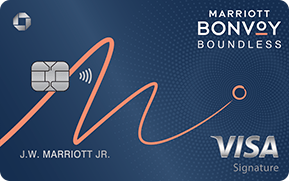
Marriott Bonvoy Boundless Credit Card
Chase · Visa
Top reward
6x participating Marriott hotels; 3x select categories on first $6,000 combined/year
Signup bonus
Three free-night awards after $3,000 in eligible purchases within 3 months of account opening. Each award covers a night costing up to 50,000 points; resort fees may apply.
Bonus: Three free-night awards after $3,000 in eligible purchases within 3 months of account opening. Each award covers a night costing up to 50,000 points; resort fees may apply.
Selected facts checked 2026-09-24 · Official source
- +Earn 6 card points per dollar at participating Marriott hotels; membership and status can earn additional points.
- +Earn 3 points per dollar on the first $6,000 in combined grocery, gas and dining purchases annually; 2 on other purchases.
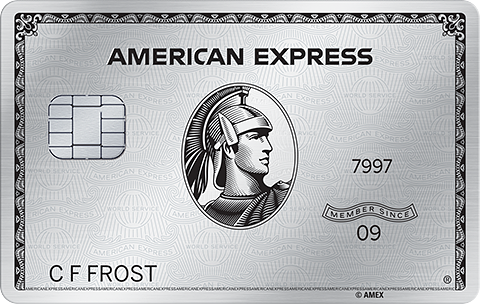
Platinum Card
American Express · Amex
Top reward
5x eligible flights on first $500,000/calendar year
Signup bonus
Personalized offer as high as 175,000 Membership Rewards points after $12,000 in purchases within 6 months. Your offer may be lower, or you may not qualify.
Bonus: Personalized offer as high as 175,000 Membership Rewards points after $12,000 in purchases within 6 months. Your offer may be lower, or you may not qualify.
Selected facts checked 2026-09-24 · Official source
- +The basic Platinum Card annual fee is $895. Additional Platinum Cards cost $195 each.
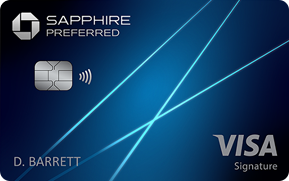
Sapphire Preferred Card
Chase · Visa
Top reward
5x through Chase Travel; 3x dining
Signup bonus
75,000 points after $5,000 in purchases in the first 3 months
Bonus: 75,000 points after $5,000 in purchases in the first 3 months
Selected facts checked 2026-09-24 · Official source
- +5 points per dollar through Chase Travel; 3 on dining and select other categories.
- +$100 annual Chase Travel hotel credit, subject to issuer terms.
Sapphire Reserve
Chase · Visa
Top reward
8x Chase Travel; 4x flights and hotels booked directly; 3x dining; 1x other purchases
Signup bonus
100,000 points after $6,000 in purchases in the first 3 months
Bonus: 100,000 points after $6,000 in purchases in the first 3 months
Selected facts checked 2026-09-24 · Official source
- +8 points per dollar through Chase Travel; 4 on direct flights and hotels; 3 on dining; 1 on other eligible purchases.
- +$300 annual travel credit; purchases covered by the credit do not earn points.
- +Points Boost can increase redemption value on select bookings; 2 cents is not a universal redemption rate.
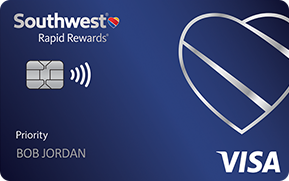
Southwest Rapid Rewards Priority Credit Card
Chase · Visa
Top reward
4x Southwest; 2x gas stations and restaurants
Signup bonus
60,000 bonus points after $2,000 in purchases during the first 3 months from account opening.
Bonus: 60,000 bonus points after $2,000 in purchases during the first 3 months from account opening.
Selected facts checked 2026-09-24 · Official source
- +Earn 4 points per dollar on Southwest Airlines purchases and 2 at gas stations and restaurants.
- +7,500 anniversary points each year.
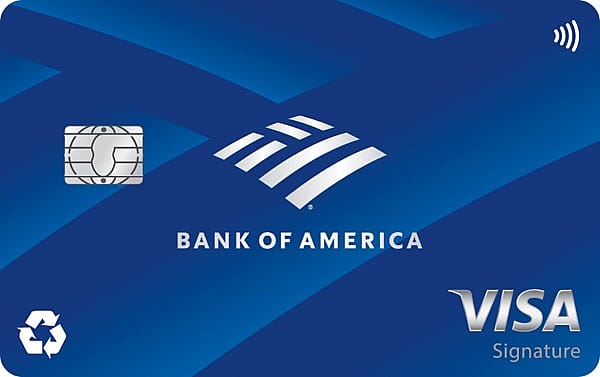
Travel Rewards Credit Card for Students
Bank of America · Visa
Top reward
Unlimited 1.5 points per $1 on purchases
Signup bonus
No public welcome bonus listed on the reviewed product page
Selected facts checked 2026-09-24 · Official source
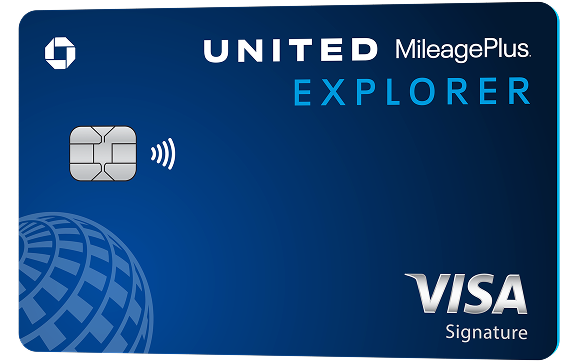
United Explorer Card
Chase · Visa
Annual fee
$0 introductory annual fee for the first year; $150 thereafter.
Top reward
3x eligible United purchases; 2x dining and direct hotel bookings
Signup bonus
50,000 miles after $3,000 in purchases within 3 months; another 10,000 miles for adding an authorized user within 3 months. Eligibility restrictions apply.
Bonus: 50,000 miles after $3,000 in purchases within 3 months; another 10,000 miles for adding an authorized user within 3 months. Eligibility restrictions apply.
Selected facts checked 2026-09-24 · Official source
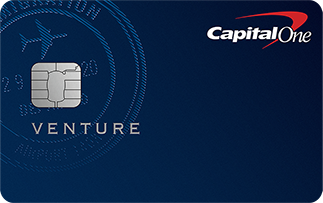
Venture Rewards Credit Card
Capital One · Mastercard
Top reward
5x hotels, vacation rentals and rental cars via Capital One Travel; 2x elsewhere
Signup bonus
75,000 miles after $4,000 in purchases within 3 months, plus $300 for hotel and vacation rental bookings through Capital One Travel in the first cardholder year. Limited-time offer.
Bonus: 75,000 miles after $4,000 in purchases within 3 months, plus $300 for hotel and vacation rental bookings through Capital One Travel in the first cardholder year. Limited-time offer.
Selected facts checked 2026-09-24 · Official source
- +2 miles per dollar on eligible purchases; 5 miles on hotels, vacation rentals and rental cars booked through Capital One Travel.
Venture X Rewards Credit Card
Capital One · Visa
Top reward
10x hotels and rental cars via Capital One Travel; 2x on other purchases
Signup bonus
75,000 miles after $4,000 in purchases within 3 months.
Bonus: 75,000 miles after $4,000 in purchases within 3 months.
Selected facts checked 2026-09-24 · Official source
- +10x on hotels and rental cars through Capital One Travel; 5x on flights, vacation rentals and activities through Capital One Travel; 2x on other purchases.
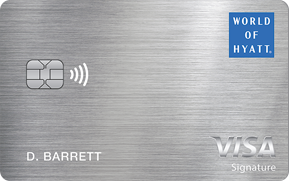
World of Hyatt Credit Card
Chase · Visa
Top reward
4x on qualifying Hyatt purchases
Signup bonus
30,000 points after $3,000 in purchases in the first 3 months. Separately, earn 2 total points per dollar on normally 1-point purchases for the first 6 months, on up to $15,000 in spending.
Bonus: 30,000 points after $3,000 in purchases in the first 3 months. Separately, earn 2 total points per dollar on normally 1-point purchases for the first 6 months, on up to $15,000 in spending.
Selected facts checked 2026-09-24 · Official source
- +The card earns 4 points per dollar on qualifying Hyatt purchases; Hyatt membership can earn additional base points.
- +One Category 1–4 free night after each cardmember anniversary; another after $15,000 in calendar-year spending.
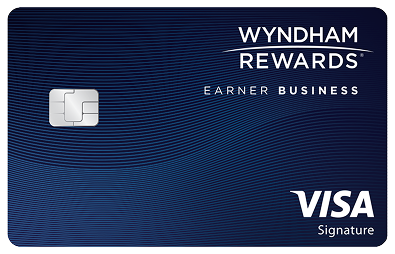
Wyndham Rewards Earner Business Card
Barclays · Mastercard
Top reward
8x eligible Wyndham hotel purchases; 5x gas/EV charging and eligible business categories; 1x other purchases
Signup bonus
45,000 points after $3,000 in purchases and payment of the annual fee within 90 days; another 55,000 after $500 in eligible Wyndham hotel purchases within 180 days. Separate requirements apply.
Bonus: 45,000 points after $3,000 in purchases and payment of the annual fee within 90 days; another 55,000 after $500 in eligible Wyndham hotel purchases within 180 days. Separate requirements apply.
Selected facts checked 2026-09-24 · Official source
Continue your comparison
Comparison guidance reviewed September 12, 2026. This date does not certify every issuer offer as current. Sources: CFPB credit card terms and each linked issuer’s application disclosures. Editorial policy.
Work through the numbers
Use these guides to compare costs and benefits with your own budget.