Credit card comparisonCompare flat-rate, category and rotating cash-back cards using current issuer terms.
Compare listed cards ↓Compare the cards in our directory
This is a selection of products, not the entire market. Offers can vary by applicant and change over time. Verify current bonuses, rates, fees, and eligibility in the issuer’s application disclosures before applying. List order is not a guarantee of suitability or approval.
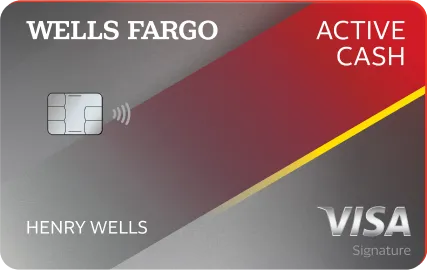
Active Cash Card
Wells Fargo · Visa
Top reward
Unlimited 2% cash rewards on net purchases
Bonus: $100 after $500 in net purchases that post within 3 months of account opening. This is the offer in the cited issuer disclosure; other channels may differ.
Selected facts checked 2026-09-24 · Official source
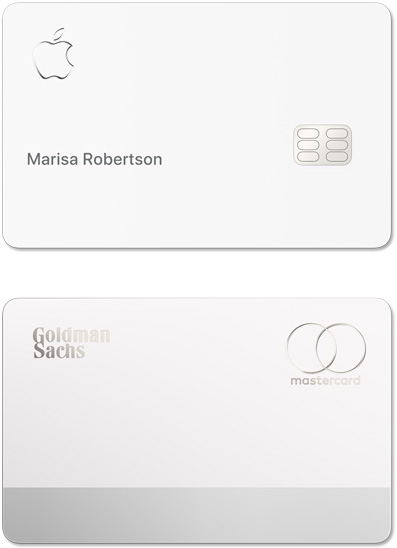
Apple Card
Goldman Sachs · Mastercard
Top reward
3% at Apple; 2% with Apple Pay
Signup bonus
No public welcome bonus listed on the reviewed product page
Selected facts checked 2026-09-24 · Official source
- +3% Daily Cash at Apple and at select merchants using Apple Pay; merchant terms apply.
- +2% Daily Cash on purchases using Apple Card with Apple Pay.
- +No annual, foreign-transaction, late or over-the-limit fees. Interest can still apply.
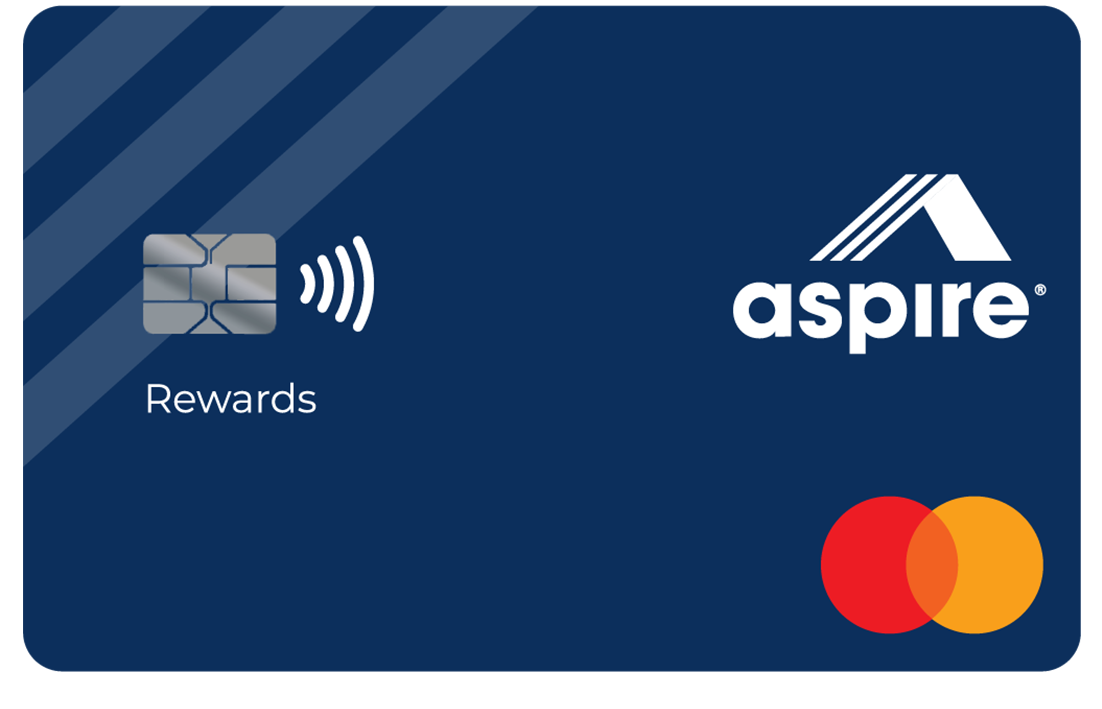
Aspire Cash Back Rewards Card
Aspire · Mastercard
Annual fee
$49–$175 first year; $0–$49 annually afterward, plus $5–$15 monthly maintenance after year one
Top reward
1% cash back on eligible purchases with the Cash Back Rewards Mastercard; other Aspire products differ.
Signup bonus
No public welcome bonus listed on the reviewed product page
Selected facts checked 2026-09-24 · Official source
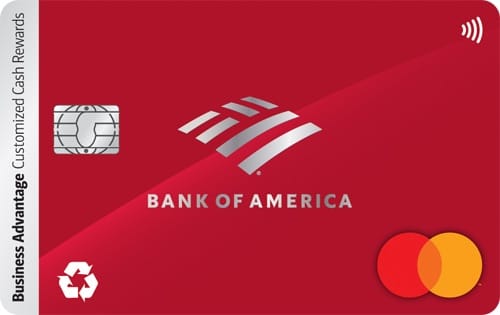
Business Advantage Cash Rewards Mastercard
Bank of America · Mastercard
Top reward
3% in your chosen category and 2% dining, on $50,000 combined annual spending; 1% afterward and elsewhere
Signup bonus
$500 online cash rewards bonus advertised; qualifying spending and deadline must be confirmed in the offer
Selected facts checked 2026-09-24 · Official source
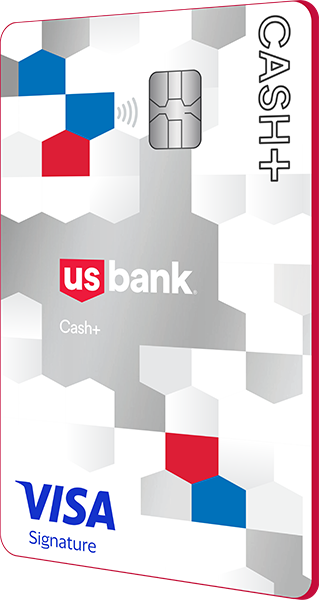
Cash+ Visa Signature Card
U.S. Bank · Visa
Top reward
5% in two chosen categories on first $2,000 combined/quarter; activation required
Bonus: $200 after $1,000 in eligible purchases within 90 days of account opening.
Selected facts checked 2026-09-24 · Official source
- +Activate two 5% categories each quarter; $2,000 combined quarterly cap, then 1%.
- +2% in one selected everyday category; 1% on other eligible purchases.
- +5% on prepaid air, hotel and car reservations through the Travel Center.
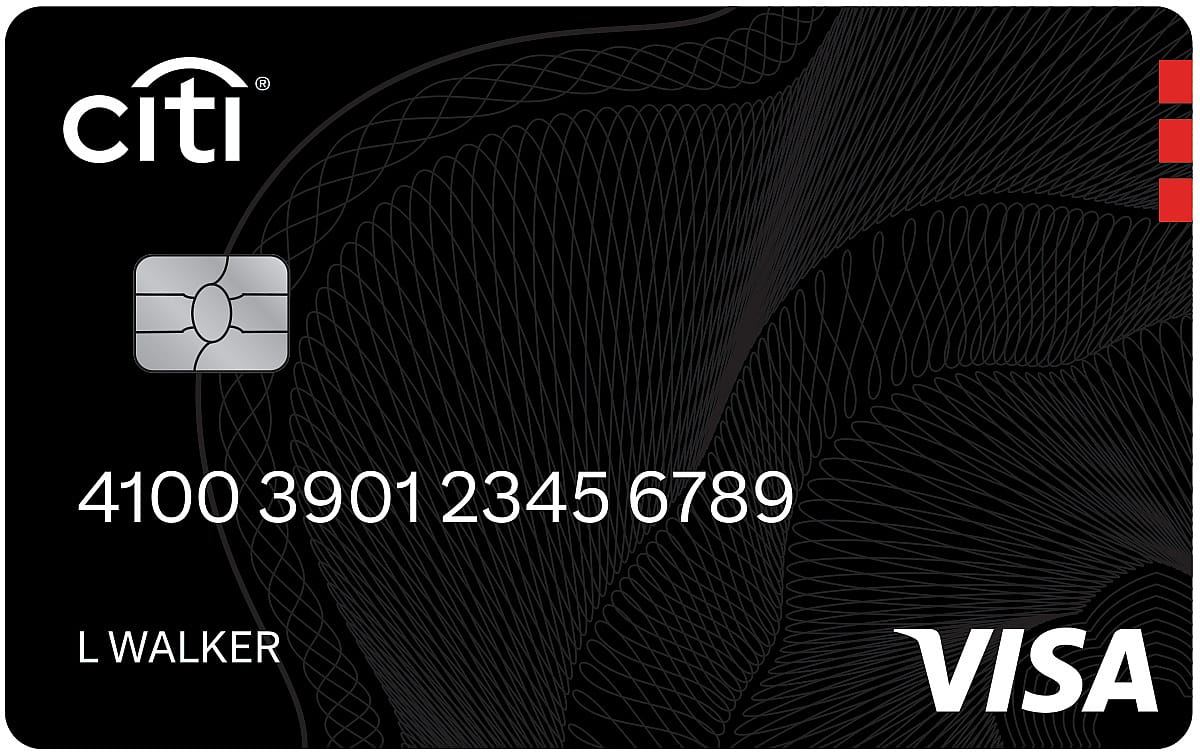
Costco Anywhere Visa Card by Citi
Citi · Visa
Annual fee
No annual card fee with a paid Costco membership; membership has a separate cost.
Top reward
5% Costco gas / 4% other eligible gas and EV charging; $7,000 combined/year cap
Signup bonus
No public welcome bonus listed on the reviewed product page
Selected facts checked 2026-09-24 · Official source
- +5% on Costco gas and 4% on other eligible gas and EV charging, on the first $7,000 combined annually; 1% thereafter.
- +3% restaurants and eligible travel; 2% other Costco purchases; 1% elsewhere.
- +Paid Costco membership required; rewards issued as an annual certificate.
Customized Cash Rewards Credit Card
Bank of America · Visa
Top reward
6% in your choice category during year one, then 3%; 2% at grocery stores/wholesale clubs. $2,500 combined quarterly cap; 1% afterward and elsewhere.
Bonus: $200 online cash bonus after $1,000 in purchases within 90 days.
Selected facts checked 2026-09-24 · Official source
- +6% in your chosen category in the first year, then 3%; 2% grocery stores and wholesale clubs.
- +The higher rates share a $2,500 combined quarterly spending cap, then earn 1%. Other purchases earn 1%.
Discover it Cash Back
Discover · Discover
Top reward
5% in rotating categories on up to $1,500 per quarter with activation; 1% on other purchases
Signup bonus
Discover matches the cash back earned during your first year, with no maximum. New cardmembers only; match is paid after the first year.
Bonus: Discover matches the cash back earned during your first year, with no maximum. New cardmembers only; match is paid after the first year.
Selected facts checked 2026-09-24 · Official source
- +5% in rotating quarterly categories after activation, up to the quarterly maximum; 1% on other purchases.
Discover it Student Cash Back
Discover · Discover
Top reward
5% in rotating categories on up to $1,500 per quarter with activation; 1% on other purchases
Signup bonus
Discover matches the cash back earned during your first year, with no maximum. New cardmembers only; match is paid after the first year.
Bonus: Discover matches the cash back earned during your first year, with no maximum. New cardmembers only; match is paid after the first year.
Selected facts checked 2026-09-24 · Official source
- +5% cash back in rotating categories up to the quarterly maximum after activation; 1% on other eligible purchases.
Discover it Student Chrome
Discover · Discover
Top reward
2% at gas stations and restaurants on up to $1,000 combined each quarter; 1% on other purchases
Signup bonus
Discover matches the cash back earned during your first year, with no maximum. New cardmembers only; match is paid after the first year.
Bonus: Discover matches the cash back earned during your first year, with no maximum. New cardmembers only; match is paid after the first year.
Selected facts checked 2026-09-24 · Official source
- +2% cash back at gas stations and restaurants on up to $1,000 in combined purchases each quarter; 1% on other eligible purchases.
Double Cash Card
Citi · Mastercard
Top reward
2% total cash back: 1% when buying + 1% as you pay
Bonus: $200 after $1,500 in purchases within the first 6 months of account opening. New-account bonus eligibility restrictions apply.
Selected facts checked 2026-09-24 · Official source
- +Earn 1% when you buy and 1% as you pay, for 2% total cash back on eligible purchases.
Freedom Flex
Chase · Mastercard
Top reward
5% rotating categories on first $1,500/quarter with activation; 5% Chase Travel
Bonus: $200 after $500 in purchases in the first 3 months. Eligibility restrictions apply.
Selected facts checked 2026-09-24 · Official source
- +5% on activated quarterly categories up to $1,500 combined spending per quarter, then 1%.
- +5% through Chase Travel; 3% dining and drugstores; 1% on other eligible purchases.
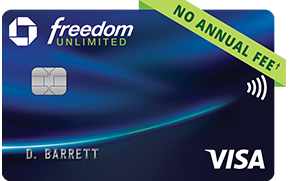
Freedom Unlimited
Chase · Visa
Top reward
5% Chase Travel; 3% dining and drugstores; 1.5% elsewhere
Bonus: $200 after $500 in purchases in the first 3 months. Eligibility restrictions apply.
Selected facts checked 2026-09-24 · Official source
- +At least 1.5% cash back on eligible purchases; higher rates apply to selected categories.
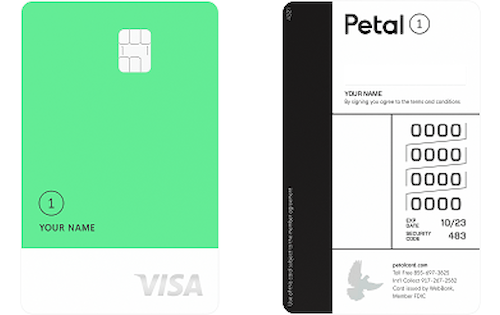
Petal 1 No Annual Fee Visa Credit Card
WebBank · Visa
Annual fee
These are current new-account terms. Accounts acquired before May 16, 2023 may have different fees.
Top reward
1%–10% cash back at select merchants; offers are personalized
Signup bonus
No public welcome bonus listed on the reviewed product page
Selected facts checked 2026-09-24 · Official source
Petal 2 Cash Back No Fees Visa Credit Card
WebBank · Visa
Annual fee
These are current new-account terms. Accounts acquired before May 16, 2023 may have different fees.
Top reward
1% cash back on eligible purchases, rising to 1.5% with qualifying on-time payments; select merchant offers available
Signup bonus
No public welcome bonus listed on the reviewed product page
Selected facts checked 2026-09-24 · Official source
- +Everyday purchase cash back ranges from 1% to 1.5%, subject to program requirements.
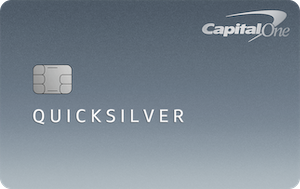
Quicksilver Cash Rewards Credit Card
Capital One · Mastercard
Top reward
1.5% on everything
Bonus: $200 after $500 in purchases within 3 months of account opening.
Selected facts checked 2026-09-24 · Official source
- +Unlimited 1.5% cash back on eligible purchases.
Quicksilver Student Cash Rewards Credit Card
Capital One · Mastercard
Top reward
1.5% on everything
Bonus: $50 after $100 in purchases within 3 months of account opening.
Selected facts checked 2026-09-24 · Official source
- +1.5% cash back on eligible purchases. Student eligibility requirements apply.
Spark Cash Plus
Capital One · Mastercard
Top reward
5% on capital one business travel hotels vacation rentals cars
Bonus: $2,000 after $30,000 in purchases within 3 months; additional $2,000 bonuses for each $500,000 spent during year one. Eligibility restrictions apply.
Selected facts checked 2026-09-24 · Official source
- +2% cash back on eligible purchases; 5% on hotels, vacation rentals and rental cars through Capital One Business Travel.
- +The $150 annual fee is refunded when annual spending reaches $150,000.
Continue your comparison
Comparison guidance reviewed September 12, 2026. This date does not certify every issuer offer as current. Sources: CFPB credit card terms and each linked issuer’s application disclosures. Editorial policy.