Credit card comparisonCompare business credit cards for everyday expenses, travel, and managing cash flow. Match rewards and payment terms to how your business actually spends.
Compare listed cards ↓What to compare before applying
Small-business card or corporate card?
Do not treat these as interchangeable. Check whether the product requires a personal guarantee, evaluates personal credit, or instead uses business finances and its own eligibility rules. Confirm who is responsible for repayment before applying.
Match rewards to recurring expenses
List your largest eligible expenses, such as supplies, advertising, travel, and general purchases. Compare category definitions and caps with a flat-rate alternative. Count an annual fee against the rewards you expect to redeem, and value benefits only when you would otherwise pay for them.
Check payment terms before financing a purchase
Review whether the balance must be paid in full, whether installment or revolving options exist, and what each costs. Employee cards and expense exports may help administration, but they do not replace a repayment plan. Read the specific business-card agreement rather than assuming consumer-card terms apply.
Compare the cards in our directory
This is a selection of products, not the entire market. Offers can vary by applicant and change over time. Verify current bonuses, rates, fees, and eligibility in the issuer’s application disclosures before applying. List order is not a guarantee of suitability or approval.
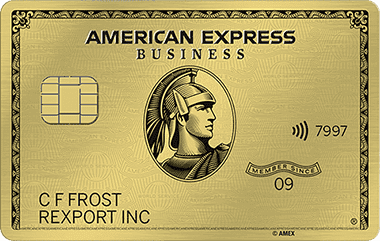
American Express Business Gold Card
American Express · Amex
Top reward
4x in your top two eligible categories on first $150,000 combined/calendar year
Signup bonus
Personalized offer as high as 200,000 Membership Rewards points after $15,000 in purchases within 3 months. Your offer may be lower, or you may not qualify.
Bonus: Personalized offer as high as 200,000 Membership Rewards points after $15,000 in purchases within 3 months. Your offer may be lower, or you may not qualify.
Selected facts checked 2026-09-24 · Official source
- +The basic Business Gold annual fee is $375.
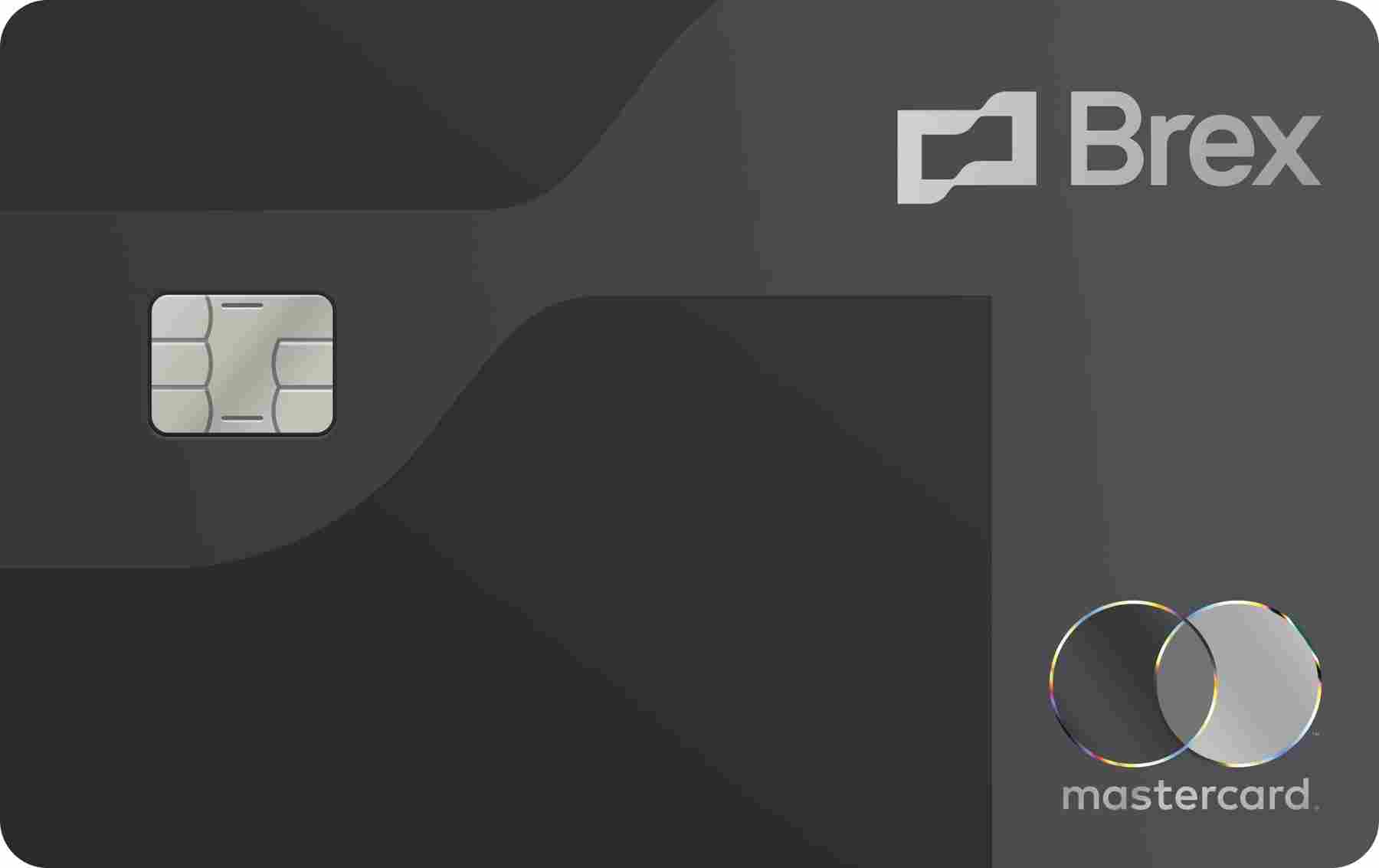
Brex Business Credit Card
Brex · Mastercard
Top reward
Up to 7x on rideshare, 4x Brex travel, 3x restaurants and 2x software; eligibility and spending caps apply
Signup bonus
No public welcome bonus listed on the reviewed product page
Selected facts checked 2026-09-24 · Official source
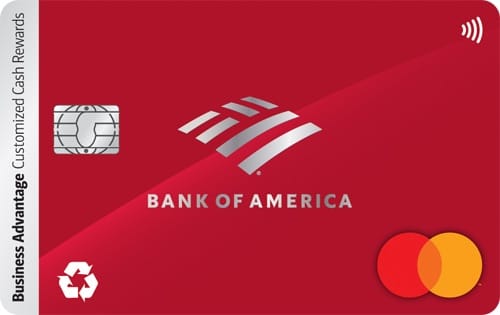
Business Advantage Cash Rewards Mastercard
Bank of America · Mastercard
Top reward
3% in your chosen category and 2% dining, on $50,000 combined annual spending; 1% afterward and elsewhere
Signup bonus
$500 online cash rewards bonus advertised; qualifying spending and deadline must be confirmed in the offer
Selected facts checked 2026-09-24 · Official source
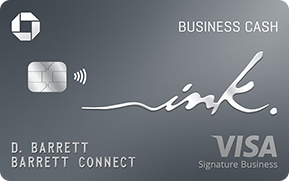
Ink Business Cash Credit Card
Chase · Visa
Top reward
5% office supply stores and internet/cable/phone on first $25,000 combined/year
Bonus: $750 after $6,000 in purchases in the first 3 months. Eligibility restrictions apply.
Selected facts checked 2026-09-24 · Official source
- +5% office supply stores and internet, cable and phone services on first $25,000 combined per account anniversary year; 1% thereafter.
- +2% gas and restaurants on first $25,000 combined per account anniversary year; 1% thereafter. 1% on other eligible purchases.
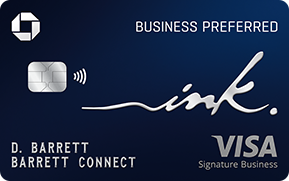
Ink Business Preferred Credit Card
Chase · Visa
Top reward
3x eligible business categories on first $150,000 combined/year; 1x thereafter
Signup bonus
100,000 points after $8,000 in purchases in the first 3 months
Bonus: 100,000 points after $8,000 in purchases in the first 3 months
Selected facts checked 2026-09-24 · Official source
- +3 points per dollar on the first $150,000 in combined eligible travel, shipping, internet/cable/phone and search-engine/social-media advertising purchases each account anniversary year; 1 point on other purchases.
Spark Cash Plus
Capital One · Mastercard
Top reward
5% on capital one business travel hotels vacation rentals cars
Bonus: $2,000 after $30,000 in purchases within 3 months; additional $2,000 bonuses for each $500,000 spent during year one. Eligibility restrictions apply.
Selected facts checked 2026-09-24 · Official source
- +2% cash back on eligible purchases; 5% on hotels, vacation rentals and rental cars through Capital One Business Travel.
- +The $150 annual fee is refunded when annual spending reaches $150,000.
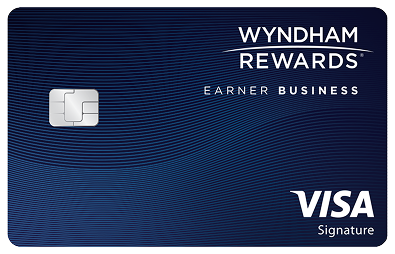
Wyndham Rewards Earner Business Card
Barclays · Mastercard
Top reward
8x eligible Wyndham hotel purchases; 5x gas/EV charging and eligible business categories; 1x other purchases
Signup bonus
45,000 points after $3,000 in purchases and payment of the annual fee within 90 days; another 55,000 after $500 in eligible Wyndham hotel purchases within 180 days. Separate requirements apply.
Bonus: 45,000 points after $3,000 in purchases and payment of the annual fee within 90 days; another 55,000 after $500 in eligible Wyndham hotel purchases within 180 days. Separate requirements apply.
Selected facts checked 2026-09-24 · Official source
Continue your comparison
Comparison guidance reviewed September 12, 2026. This date does not certify every issuer offer as current. Sources: CFPB credit card terms and each linked issuer’s application disclosures. Editorial policy.
Work through the numbers
Use these guides to compare costs and benefits with your own budget.