Citi Double Cash vs. Chase Freedom Unlimited: Cash Back Compared
Double Cash’s 2% total on eligible purchases rewards broad spending when you buy and repay. Freedom Unlimited combines a lower base rate with higher dining, drugstore and Chase Travel rates. Your spending mix determines which earns more.
Fintiex · Analysis updated · Product facts have their own check dates below.
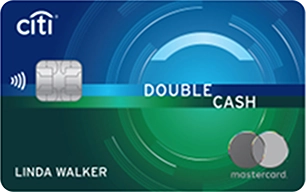
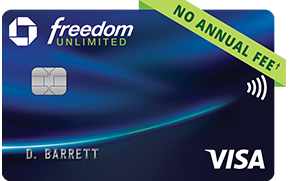
The main differences
Swipe the table sideways to compare both cards.
| Feature | Citi Double Cash Card | Chase Freedom Unlimited |
|---|---|---|
| Annual fee | $0 | $0 |
| Rewards | 2% total cash back: 1% when buying + 1% as you pay | 5% Chase Travel; 3% dining and drugstores; 1.5% elsewhere |
| Welcome offer | Offer not verified | $200 after $500 in purchases in the first 3 months. Eligibility restrictions apply. |
| Purchase APR | Not verified | 18.24% to 27.74% |
Unknown terms remain unverified. Offers may vary by applicant; variable APRs can change. Read issuer disclosures before applying.
Worked example: $1,500 of spending per month
Suppose $1,200 is ordinary eligible spending and $300 is dining, with no portal travel. Double Cash produces $30 once the matching purchases are paid; Freedom Unlimited produces $18 on ordinary spending plus $9 on dining, or $27. The difference is $36 over 12 identical months. At $1,000 ordinary spending and $500 dining, both produce $30 monthly. These examples exclude bonuses, interest, fees and special offers, and assume category eligibility.
Flat rewards or higher category rates?
Double Cash combines 1% when buying with 1% as you pay. Freedom Unlimited earns 1.5% on other purchases, 3% on dining and drugstores, and 5% through Chase Travel. Citi also has a higher rate on specified Citi Travel bookings. Compare booking prices and eligible categories before treating either portal as the better option.
A balance transfer is a separate decision
Citi states that its balance-transfer introductory APR does not cover purchases. Carrying a transferred balance can affect purchase-interest treatment. Compare the transfer fee, promotional period and repayment plan independently from rewards; balance transfers do not earn purchase cash back.
Build a comparison from your last three statements
Separate dining and drugstore spending from ordinary purchases, then identify travel you would actually book through a portal. Exclude fees, cash advances and transfers. Calculate ongoing rewards first, and evaluate any welcome offer separately so a one-time payment does not hide a weaker long-term fit.
Common questions
Does Double Cash pay the full 2% at purchase?
No. Its headline rate combines 1% when you buy with another 1% as you pay the corresponding purchase balance, under Citi’s rewards rules.
Which card wins for dining?
Freedom Unlimited’s listed dining rate is higher than Double Cash’s ordinary purchase rate. That does not determine which card earns more across your entire budget.
Sources and comparison method
We compare published issuer terms and show our calculation assumptions. We have not tested these accounts or assigned a universal points value. This comparison does not guarantee approval or identify one card as best for everyone.
Additional source · Checked 2026-09-12
Additional source · Checked 2026-09-23
Additional source · Checked 2026-09-12
Additional source · Checked 2026-09-23